Radon Testing in Hibbing, MN: Steps Every Homeowner Should Take
Homes in Hibbing, MN sit on iron-range geology that can concentrate radon gas beneath foundations, making professional radon testing near me a practical first step for any local homeowner.
What Does Professional Radon Testing Actually Involve?
A licensed tester follows a comprehensive checklist aligned with Minnesota Department of Health standards to measure radon levels accurately inside your home.
The process typically begins with a review of your home's foundation type, ventilation patterns, and any existing mitigation equipment. These factors influence where test devices are placed and how long they remain in position to collect a reliable reading.
Minnesota Department of Health standards set the action level at 4 picocuries per liter of air. If your result meets or exceeds that threshold, the data gives you a clear, documented basis for deciding whether a mitigation system is the right next move.
Which Rooms and Levels Should Be Tested?
Radon enters through foundation cracks and soil contact points, so the lowest livable level of your home typically shows the highest concentration.
Basements and ground-floor rooms used regularly for sleeping, working, or recreation are the priority areas for testing. Even a finished basement that feels comfortable and dry can accumulate radon because the gas is colorless and odorless.
Homeowners in Hibbing, MN who use their lower levels as home offices or guest rooms benefit most from knowing the exact radon reading in those spaces, since prolonged exposure in high-concentration areas carries the greatest long-term risk. You can find radon testing help in Hibbing to get a precise measurement before making any decisions about your living space.
When Should You Schedule a New Test?
Testing is recommended after any major renovation, foundation repair, or if more than two years have passed since your last measurement.
Seasonal pressure changes in northern Minnesota can shift how much radon enters a home. Winter conditions, when windows stay closed and heating systems run continuously, often push indoor radon levels higher than summer readings. A test taken during the heating season gives you a more conservative and protective baseline.
If you recently purchased a home in the Hibbing area and the previous owner's test is more than a couple of years old, commissioning a fresh test is a straightforward way to verify current conditions rather than relying on older data that may no longer reflect the home's actual risk level.
How Iron Range Soil Conditions Affect Radon Risk in Hibbing, MN
The iron-bearing bedrock and glacial soils common across the Iron Range create conditions where radon gas can migrate upward into homes more readily than in many other regions.
Hibbing sits within a zone that Minnesota health authorities recognize as having elevated radon potential. Homes built directly on or near exposed bedrock, or with block-wall basements common in older Iron Range construction, can be especially susceptible to radon entry because of the natural gaps and porous materials involved.
Understanding your local geology is not just background information — it directly shapes how urgently a test result should be acted upon and what type of mitigation approach may be most effective for your specific foundation.
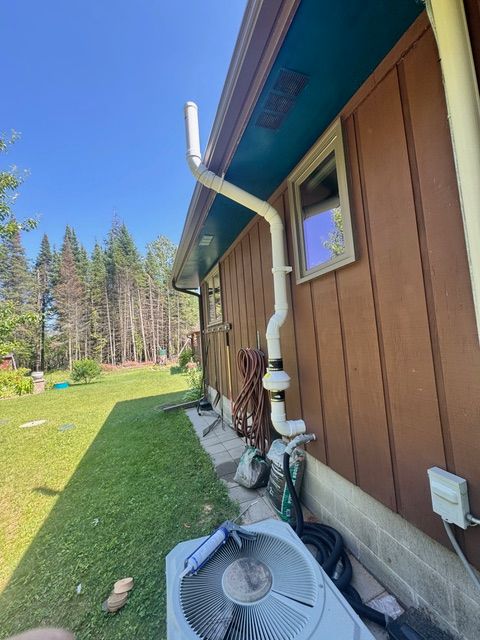
Getting a clear picture of your home's radon levels is one of the most straightforward protective steps available to you. Homeowners looking to explore radon mitigation system installation in Hibbing after a high test result can move forward with confidence when they have accurate data in hand. Schedule a professional radon test with Radon North to start with verified numbers specific to your home.