Getting a Radon Mitigation System Installed in Grand Rapids, MN
Radon mitigation system installation in Grand Rapids, MN reduces elevated radon levels by routing soil gases out of the home before they can accumulate indoors, using a licensed mitigator for the work.
How a Radon Mitigation System Works
A sub-slab depressurization system draws radon-laden air from beneath the foundation and vents it safely outside, preventing it from entering your living space.
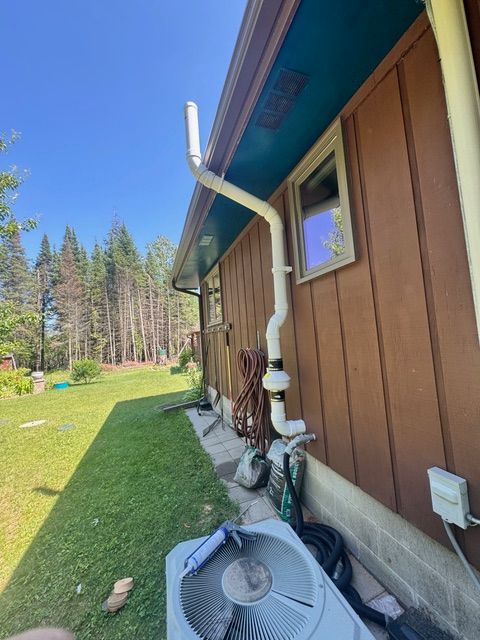
The core components include a suction pipe inserted through the slab or foundation wall, a continuously running fan, and an exterior vent that discharges the gas above the roofline or away from windows. The fan creates a pressure difference that pulls soil gases outward rather than letting them seep upward into the home.
Because the system runs continuously, it provides ongoing protection rather than a one-time fix. Homeowners in Grand Rapids, MN often notice the difference in their post-installation radon test results, which confirm whether the system has brought levels below the 4 picocuries per liter action threshold recognized by Minnesota health authorities.
What Happens During the Installation Process?
A licensed radon mitigator evaluates your foundation type, identifies the best suction point, and installs the system with minimal disruption to your home's interior.
The installer begins by assessing the sub-slab material and checking for any existing cracks or gaps that could affect system performance. Choosing the right suction location is critical because it determines how effectively the fan can draw gas from the full footprint of the foundation.
Pipe routing is planned to keep the system as unobtrusive as possible, often running through a utility area, garage, or exterior wall. Once the fan is mounted and the vent is secured, the installer verifies airflow and may seal visible foundation cracks to improve overall system efficiency. Homeowners interested in finding radon mitigation system installation help in Grand Rapids can start by confirming their current radon test results before scheduling the work.
Do Older Homes in Grand Rapids Need a Different Approach?
Older homes with block-wall foundations or crawl spaces may require modified installation techniques compared to homes with poured concrete slabs.
Block-wall foundations have hollow cores that can channel radon in multiple directions, sometimes requiring additional suction points or interior sealing to achieve effective pressure reduction. A licensed mitigator familiar with northern Minnesota construction styles will assess these variables before finalizing the installation plan.
Crawl space homes may benefit from a membrane and depressurization combination rather than a standard sub-slab approach. The right method depends on the specific foundation conditions found during the site evaluation, not a one-size-fits-all formula.
Seasonal Factors That Influence Radon Entry in Grand Rapids, MN
Cold northern Minnesota winters increase the stack effect in homes, drawing more soil gas upward through foundation openings and raising indoor radon concentrations.
During the heating season, warm indoor air rises and escapes through upper levels of the home, creating a slight negative pressure at the foundation level. This natural pressure difference pulls radon-laden soil air inward more aggressively than during warmer months when windows are open and pressure differentials are smaller.
Installing a mitigation system before winter sets in means your home is protected during the period when radon entry is typically at its peak. A properly sized fan maintains consistent sub-slab depressurization regardless of outdoor temperature, keeping indoor levels stable year-round.
A well-installed radon mitigation system gives Grand Rapids homeowners lasting protection backed by measurable results. Explore your options by reviewing what radon testing in Grand Rapids reveals about your home's current levels, then connect with Radon North to plan the installation that fits your foundation type.